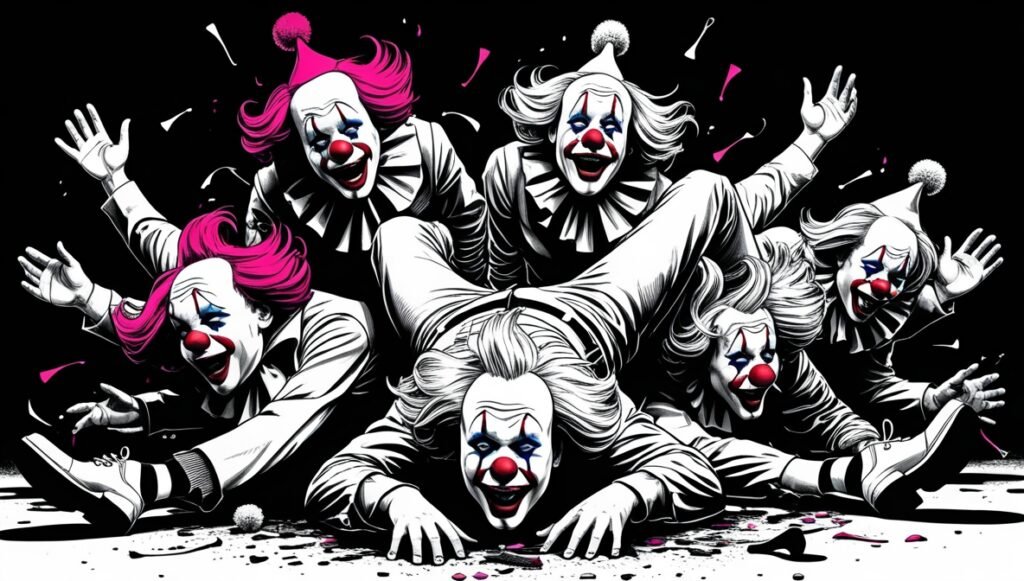
Putin’s Fall : The Entropy of a Closed System and the Lessons of Civilization
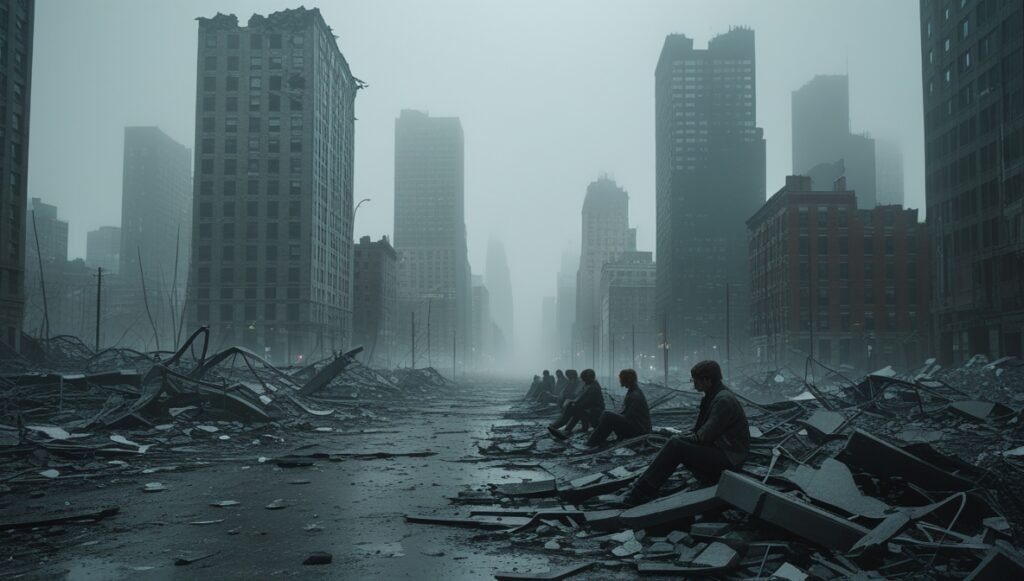
In 2022, Putin marched into Ukraine under the banner of “denazification,” dreaming of seizing Kyiv in three days and toppling its government in seven. Yet, three years later, he remains mired in a quagmire. Trillions in wealth have vanished, millions of young lives lie broken, the front lines receded, and a gray pall hangs over Russian cities. The Slavic heartland has turned to scorched earth.
Once, the “iron-fisted strongman” in the Kremlin crushed Chechnya and reclaimed Crimea, hailed by sycophants as the herald of “national revival.” But beneath the mirage of glory festered a diseased system—power was centralized to the extreme, governance was built on sycophancy, that truth no longer flowed upward, only delusions soaring from above. God has long left Moscow, replaced by a man-made deity trapped in an echo chamber of lies.
Putin’s defeat is not merely a battlefield loss but the inevitable entropy of a flawed regime. In a system incapable of self-correction, every error is magnified, every fantasy exalted, every failure concealed. He was defeated not just by Ukrainian troops, but by the very principles of human civilization forged over the past three centuries: self-correction, institutional resilience, and anti-fragility.
The so-called “tough man” is nothing more than a solitary figure imprisoned by his own power bubble.He may appear omnipotent, but he can no longer hear the world outside. Russia today is not dying from a lack of force, but from a lack of truth. It has shut down the internet, silenced public discourse, closed off its education system—and ultimately, severed its own ties to the future.
It mistook the true competition of civilizations for a contest of tanks, forgetting that the fate of tomorrow is determined not by brute force, but by institutional elasticity, intellectual freedom, individual creativity, and a tolerance for reality and truth.
Why did Ukraine not fallen? Not because its military was superior, but because its people did not kneel, its voices was not silenced, and its political system, though flawed, is not yet ossified. In the face of invasion, their fragile individual wills have woven a collective defiance. A nation with even a modest self-correcting mechanism still possesses the tensile strength of a living civilization.
Russia today, though not yet collapsed, languishes in a hall of mirrors, where Putin hears only flattery and the people see only fabricated foes. Every empire, on its deathbed, wields the sword of “revival” to mutilate itself, marching toward ruin in the name of “strength.”
Some ask, “Should we pity Russia?”
No—mourn, but do not pity.
Mourn the suffering of its people, lament the rot of its system, but shed no tears for the grave it dug itself. The wheels of civilization spare no mercy for those who regress; they honor only societies that restrain their lust for power, admit their errors, and embrace correction.
Yet the true danger lies not in Russia but on the shores of civilization itself.
If the “yellow Russians”—those who blindly cheer for authoritarianism—refuse to reflect, if they continue to wrap reality in dreams of “greatness,” suppress all dissent with a single “main melody, if they equate centralized control with efficiency, diversity with weakness, and individual freedom with chaos. then they, too, are on the same road toward entropy and demise. Only this road will be longer, smoother, and more gently sloped—yet it leads no less surely to the end.
When Putin is finally cast aside by history, it will mark not just the fall of a tyrant but another instance of how a closed system inevitably collapses under its own weight.
And us—are we ready to look into that mirror held up by another’s demise, and recognize our own possible future?
The Russians have no time to mourn themselves, and the yellow Russians mourn without learning, only to mourn again in their own cycle .